Alignment is the Real Work of Programming

Most people assume a master programme is a scheduling exercise. In my experience it is an alignment exercise that happens to produce a schedule.

Author

Mario Youssef

Date

December 2025

I have spent close to a decade building programmes for airports, hospitals, universities, retail centres and government portfolios. The pattern is consistent. Projects rarely fail because someone chose the wrong logic link or missed a float calculation. They slip because the design team, the client, the contractor and the end user are each working to a different understanding of what happens next and who is responsible for it. The programme is simply where that disagreement becomes visible.

That is why I treat programming as an engagement discipline first and a technical one second.

The programme as a shared position

A master programme works when everyone with a deliverable in it has had a hand in shaping it. Milestones issued from above get treated as aspirations. Milestones agreed in a room, with the consultants and contractors who have to meet them, get treated as commitments.

The difference shows up months later. Teams that built the programme together escalate early, because they can see the downstream effect of their own delay. Teams handed a programme tend to report against it rather than manage to it.

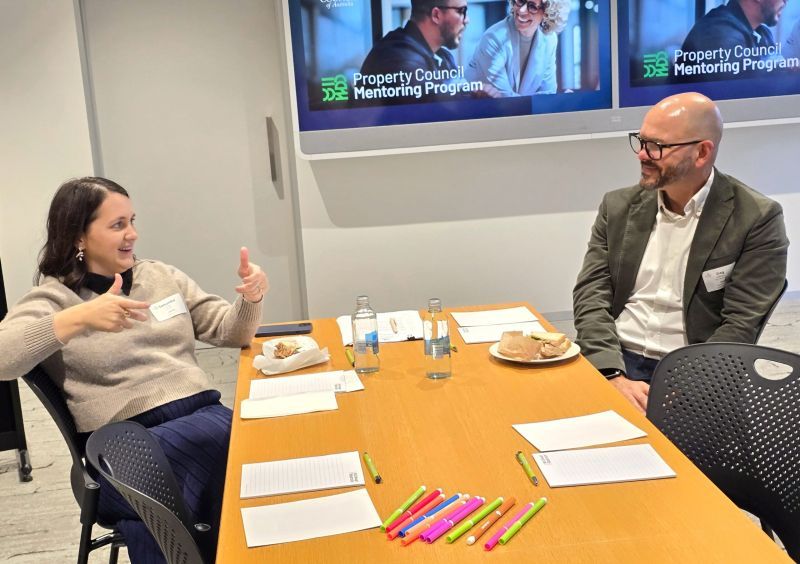
So, the workshops matter as much as the software. We sit down with the parties, test the assumptions, argue about durations, and surface the interfaces nobody had accounted for. It is slower at the outset. It saves considerably more time later.

What alignment actually delivers

When stakeholders are genuinely aligned around a programme, a few things follow:

  • Design decisions get made at the point they are needed, because the gateways are visible and owned.
  • Procurement is timed to the market rather than to the calendar, and long-lead items stop driving the critical path by accident.
  • Risk conversations happen early, while options still exist.
  • Governance improves, because reporting is measured against milestones the team endorsed.
  • Change is absorbed rather than litigated, because everyone understands the original logic.

None of that comes from the schedule itself. It comes from the conversations the schedule forces.

Scale changes the conversation

Portfolio work has sharpened my view on this. On the QBuild portfolio we consolidated information that had been sitting across multiple spreadsheets and stakeholders into a single master programme and a Power BI dashboard, so that everyone from project managers to the Executive Director was reading the same numbers. We are currently reviewing a portfolio of more than 90 QBuild projects against a consistent set of parameters covering contingency allowances, weather exposure, location factors, schedule resilience and resource availability.

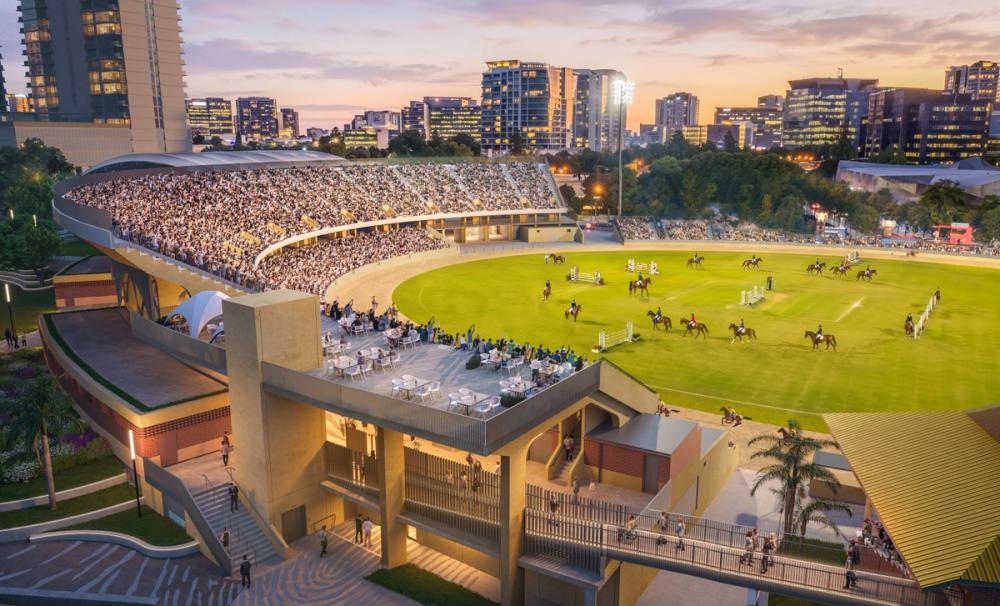
We have run comparable work for the University of Queensland capital works portfolio, for GIICA across Brisbane 2032 venues, and for the Queensland Health capital expansion programme.

At that scale, alignment stops being a soft objective and becomes a practical necessity. You cannot prioritise investment across 90 projects if each one is reported differently. A common framework is what allows an organisation to see where the real risk sits and to act on it.

Making the programme readable

One further point, because it is often overlooked. A programme that only the programmer can interpret has failed at its main job.

Senior stakeholders do not want to open Primavera. They want to know whether the project will finish when it said it would, what is threatening that, and what decision is required from them this month. Interactive dashboards and structured reporting do that translation work, and they are the reason programme information actually reaches the people who can act on it.

Where this leaves project teams

The projects I have seen run best are not the ones with the most sophisticated programmes. They are the ones where the programme is a live reference point that the whole team recognises as theirs.

Investing time at the front end to build that agreement is the highest-return decision available to a project team. It costs a few workshops. It returns a delivery team that is pulling in the same direction, an early warning system that works, and a client who is never surprised.

The programme is the instrument. Alignment is the outcome.